Guns? We Don't Need No Stinkin' Guns

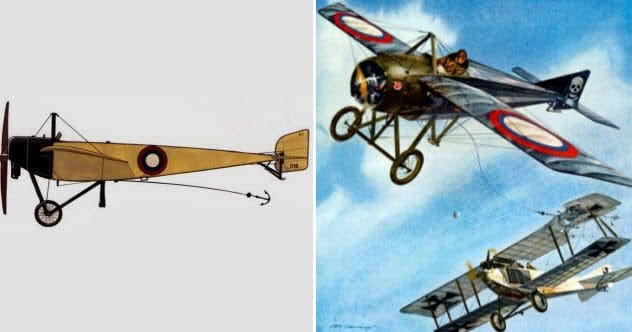
The Russians get all medieval on the Austrians
Did the Russian air service need guns to get all belligerent? Actually, yes they did, but not having them led to some rather awkward attempts at aerial warfare.
Two such examples of how the Russians got creative are from pilots Pyotr Nesterov and Aleksandr Kozakov, both men flying Morane Saulnier G models.
By the time war broke out in August 1914, Nesterov was already a well known pilot, and not just in his Russian homeland.
In August 1913 Nesterov, piloting a Nieuport IV, became the first pilot to perform a loop. Previous to Nesterov's historic flight, the prevailing thought was the fragile aircraft of the day, with their wimpy engines and weak airframes, could break apart under the stress of "looping the loop" as it was called at the time. Au contraire said Nesterov (but more likely "наоборот"), as he took to the air to prove the haters wrong.
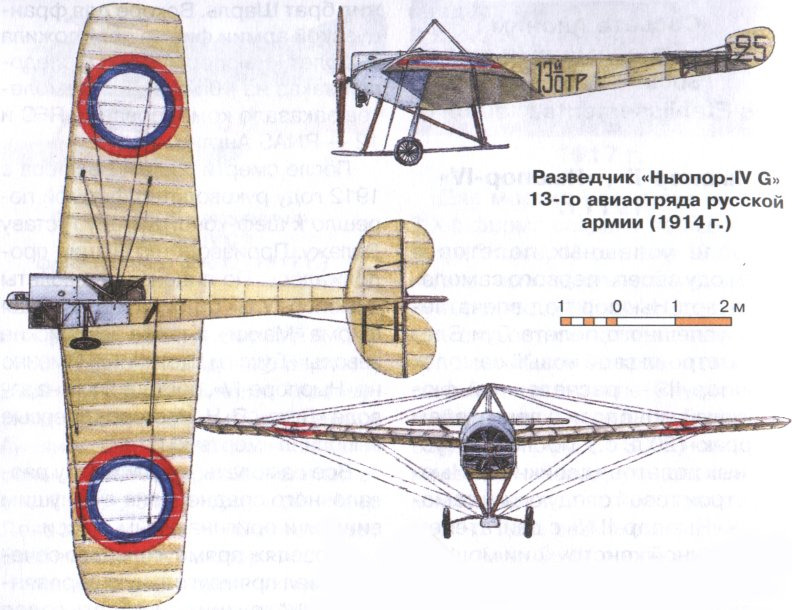
His feat was successful as the Nieuport complained but obeyed Nesterov's aerobatic commands. Fortunately Nesterov avoided embarrassment by remembering to strap himself in.
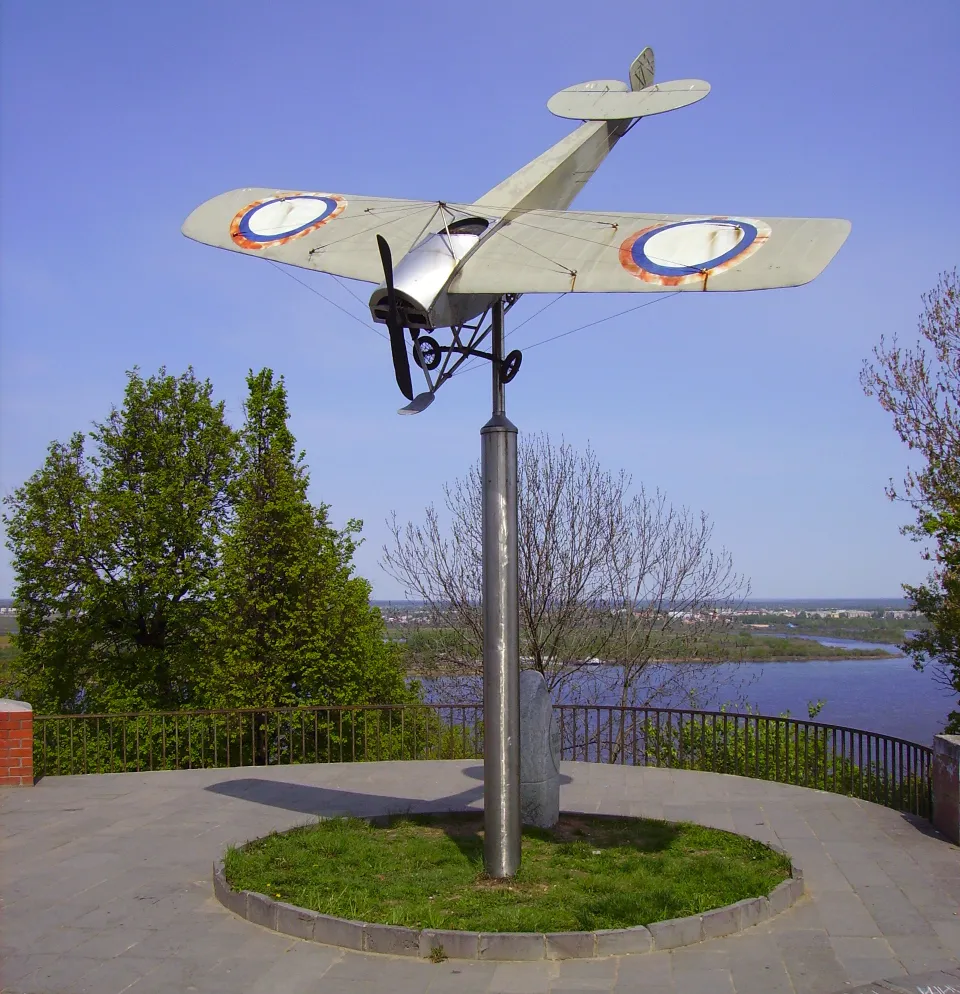
When Nesterov land, all aflush with exuberance from his great performance, he was promptly brought before his superior officers and arrested for endangering government property.WTF?
While Nesterov was serving his sentence of ten days close arrest he was also being heralded the world over. After Frenchman Adolphe Pegoud became the second flier to do a loop and was immediately promoted and given a medal, the shamefaced Russian brass decided to do the same for their boy.
Fast forward one year later (what a difference a year makes) and Nesterov is flying Moranes against the Austrians in the early days of the Great War.
But it wasn't a great war for Nesterov, in fact it wasn't even an okay war; it totally sucked. The unarmed nature of aircraft at the time frustrated him, as he truly wanted to stick it to the Austrians. The question was, how?
The answer was easy, but had the drawback of being suicidal. In the last days of August Nesterov formed his plan and when duly given the chance, he put it into action.
Flying along the front Nesterov encountered an Austrian Aviatik B.II observation plane.
Without hesitating (or maybe a bit of hesitating, no one really knows for sure), Nesterov dove down upon the aircraft in an attempt to give it a glancing blow that he hoped would send it spiraling to the ground. He was half right.
It was more than a glancing blow that the fragile Morane gave the Aviatik, and both planes spun into the ground. Nesterov was thrown from his craft and died the next day, while both occupants of the Aviatik were killed outright.
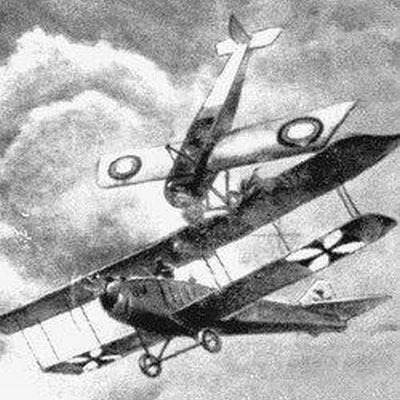
Thus the first pilot to do a loop had become the first Russian pilot to down an enemy aircraft in WWI, but in both cases got little reward for his efforts.
Nesterov wasn't the only Russian pilot frustrated by aerial impotency. Aleksander Kozakov was also flying Morane Saulnier Gs and was equally unhappy at not being able to send his enemies crashing to the ground.
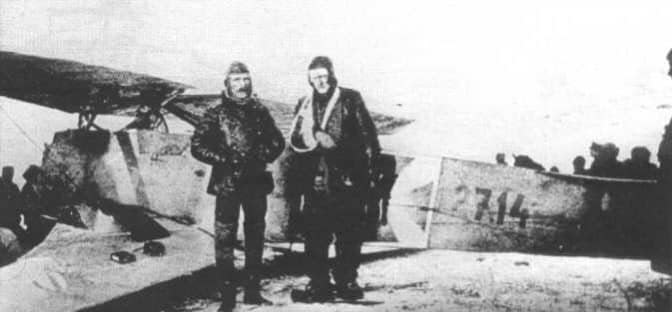
It was by now March of 1915, and some aircraft were beginning to be armed, but only in a most rudimentary fashion, with some pilots taking to the air with small arms and even bricks.
Kozakov was not among them. He wanted to dispatch enemy aircraft in a more sinister way, and thus was born The Hook.
The intrepid Russian decided to tie a large hook to a rope and attach the rope to his Morane. His plan was thus: when he met an enemy aircraft he would fly over it with the hook trailing menacingly from his plane, grapple the enemy plane, ripping it apart, and laugh maniacally as he watched his unfortunate adversary spin to the ground. This was the 1915 version of sharks with lasers.
Soon Kozakov had his chance. On March 31, 1915 Kozakov met an Austrian observation aircraft and attacked. He released the hook and the rope spun out behind his Morane. Flying over the enemy aircraft he watched as the hook hurtled towards his opponent. It missed. Instead of a hardy tug that meant the grapple had found its mark, Kozakov felt nothing but the slack pull of an empty hook.
Disappointed but not deterred, Kozakov next did the only other thing he could think of; he rammed the enemy plane.
Taking a page out of Nesterov's rather short book, Kozakov dived again on the enemy, this time giving it the type of glancing blow Nesterov had envisioned, and watched as the aircraft plummeted to earth. A victory, and one that Kozakov would be alive to describe.
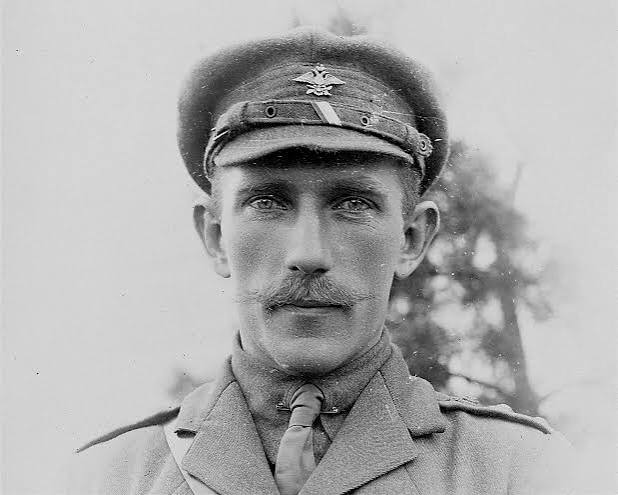
Kozakov landed safely and went on to become Russia's greatest World War One flying ace. After the Moranes became obsolete Kozakov switched briefly to the Spad A2 (yikes!) before finding his niche in Nieuport 11s and 17s. He finished with an official count of 20 victories, but more than likely downed over 30 enemy machines.
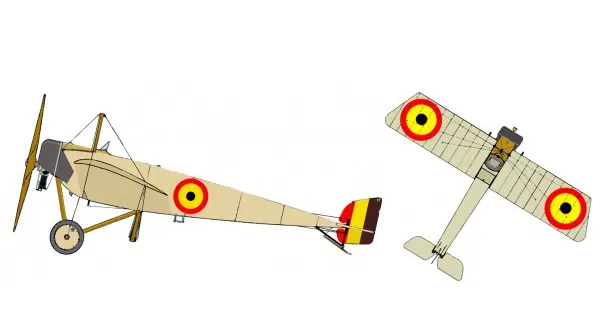
If you would like to fly the Nieuport IV and the Morane Saulnier G in Archie? You can't, the ratings for these aircraft aren't there. Until now.
Available for the first time as an exclusive offer to our readers, 4P Press presents the Nieuport IV and Morane Saulnier G:

No, they aren't world beaters, but for their time they were quite okay. However, the MAN rating of the Nieuport IV makes one appreciate Nesterov's feat all the more. He was certainly an optimist, and a brave one at that.
I know, there's no rule for hooks and ramming, but the hook is never going to work, and ramming is just suicidal, right? Right? Oh, all right, here's how to ram and hook:
Hooking
First of all, this would never have worked, but because it was tried we must also try and see if we have better luck than Kozakov. It's not likely, but for those optimists here are the rules:
During the movement phase the attacker must move across the target directly over the model and stop within two inches with the rammer's tail facing the target.
In the combat phase the rammer rolls 3d6. If the result is three 6s, the hook has miraculously worked. Three sixes mind you, not two or one, it's three or nothing.
Should the hook hook its victim, another d6 is rolled (just one this time), and a result of 1-3 is the amount of damage points removed from the target. A result of 4-5 results in the target being, er, hooked down, and it crashes to earth to the astonishment of all who witnessed the attack. A result of 6 brings down the target, but also tears the attacker's airframe apart and brings that aircraft down as well.
Ramming
Well, why not? Oh, you could die, that's why not. But for those who wish to risk it, here's how you ram.
The ramming aircraft, hereafter called the rammer, finishes their movement directly next to the target aircraft with still one movement point left over. If the rammer uses all their movement points to get next to the target, there is no chance of ramming. There must be at least one point remaining.
The rammer adds together their aircraft's Speed and MAN ratings, and compares the result to the same for the target aircraft. The result is the number on a d6 that must be rolled for the ram to be successful.
The following modifiers affect the die roll:
Target has higher Damage rating -1.
Target has 2x damage rating -2
Rammer is Vet, Ace or Aerobat -1,
Target is Vet, Ace, Aerobat +1
If the unmodified number is negative and remains a negative after modifiers are applied, the ram misses and the aircraft remain where they are. For example, an unmodified difference is -1. With no modifiers that ram attempt misses. But we see the ramming pilot is a veteran (-1) and the target has higher damage points, but not twice as many, so that is another -1. The target pilot is regular, so they get no modifier. That means a roll of 1 on the d6 is modified to a -1, resulting in a successful ram. Yay! Maybe.
Once a ram is successful it's time to check the damage. Rammer compares speed, damage and stress to target's. The result is the number of damage points removed. A negative difference is treated as 1 for the target and 2 for the rammer. The rammer is damaged by ½ damage points against target in the case of a positive difference in the rammer's favor.
Also a second die is rolled with a 5 destroying the target and a 6 destroying both target and rammer. This is only if the rammer hits the target of course.
So there you are, free aircraft and rules to make your Archie games even more rewarding.
Oh, and one more thing...